How to Market to Cruise Ship Passengers
Updated September 29, 2026
In this guide
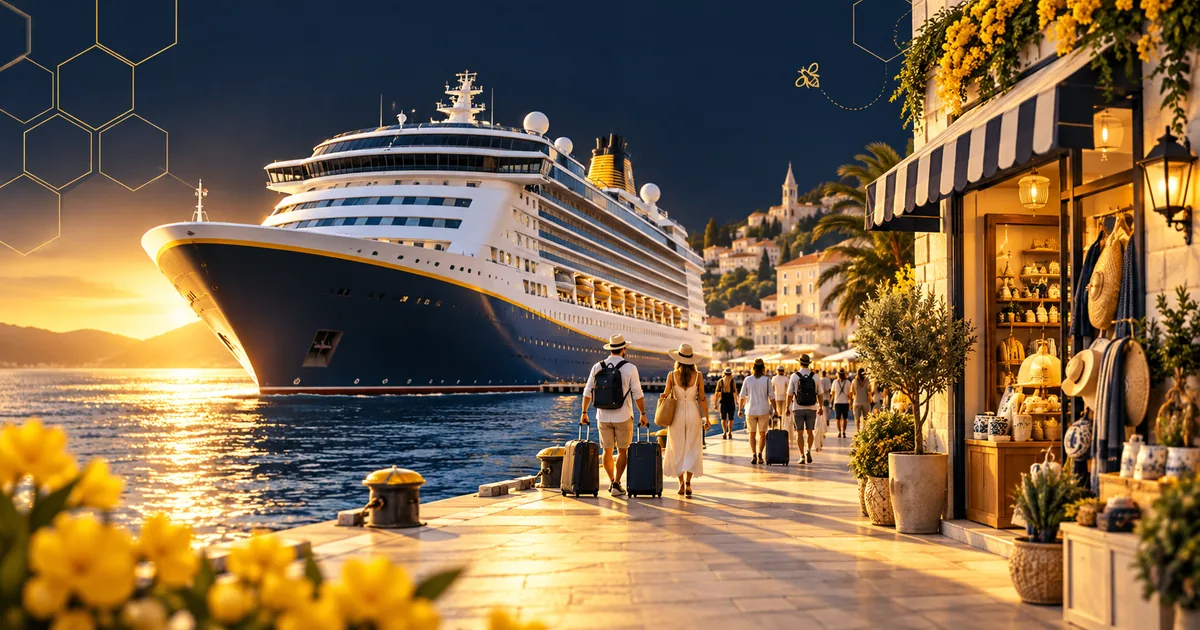
Start with the passenger’s real decision
Marketing to cruise ship passengers is most useful when your business can serve a real destination, arrival window and visitor need. This guide is for local tour operators, attractions, restaurants and retailers near ports they actually serve. It is not a claim that every coastal city is a cruise destination.
Before promoting an offer, verify current port schedules, operating rules, transportation options and your own capacity. Then decide which experience a passenger can comfortably book and complete during their time ashore.
Create an offer that fits time ashore
Passengers need practical information before they need a slogan. Explain the meeting point, duration, what is included, accessibility details, transportation arrangements and cancellation terms. Be clear about how your schedule relates to the ship’s departure. Do not promise return timing or port access you cannot deliver.
An illustrative offer could be a short guided experience with a clearly described pickup point and small-group capacity. The right format depends on your actual operation. Use genuine photos and customer feedback where you have permission.
Build useful destination pages
Give each real experience a focused page. Answer the questions customers ask before booking: where to meet, how long it takes, what to bring, available dates, total price and who the activity suits. Do not manufacture location pages for ports you do not serve.
Use the language of the experience and destination naturally in the page title, heading and description. A general travel article should support a specific offer rather than replace its booking information. Our local lead generation guide explains how location, offer and follow-up connect.
Reach people before and during their visit
Consider search, useful destination content, relevant referral partners and advertising appropriate to your budget. Explain your connection to any hotel, guide or cruise operator accurately. Do not imply an official partnership or endorsement without permission.
For paid campaigns, start with a defined offer, geography and conversion action. Separate research-stage content from ready-to-book messages. A passenger comparing activities weeks ahead needs more planning detail than someone looking for a nearby option that day.
Connect your content and social media plan with paid advertising and lead generation when those channels fit the business.
Make inquiry and booking simple
Use a mobile-friendly page with readable directions, availability and one clear booking or inquiry action. Ask only for information needed for that step. Confirm the booking details and give customers a practical way to reach your team.
A shared customer inbox can keep questions together. Appointment scheduling and reminders may help coordinate eligible bookings. Obtain the permissions needed for promotional messages; a booking inquiry is not blanket consent for future marketing.
Measure completed bookings, attendance, contribution after delivery costs and customer feedback. Raw website traffic is not the same as profitable demand.
Questions before you launch
Do we need a different page for every ship?
Only create a page when it provides distinct, accurate information you can maintain. Repeating the same page with different ship names does not help a passenger make a decision.
Can AI answer visitor questions?
It can assist with approved information and route uncertain questions to your team. Keep schedules, pickup details and exceptions current, and provide a human handoff. Explore AI agent setup and support.
How do we choose the first channel?
Start with where your qualified inquiries already come from and the capacity you can reliably fulfill. A strategy session can help prioritize the offer, page and follow-up before expanding spend. Compare software and marketing support plans for the right level of help.